Body Contouring Farmington Hills: Comparing Invasive and Non-Invasive Methods
@shanednce963

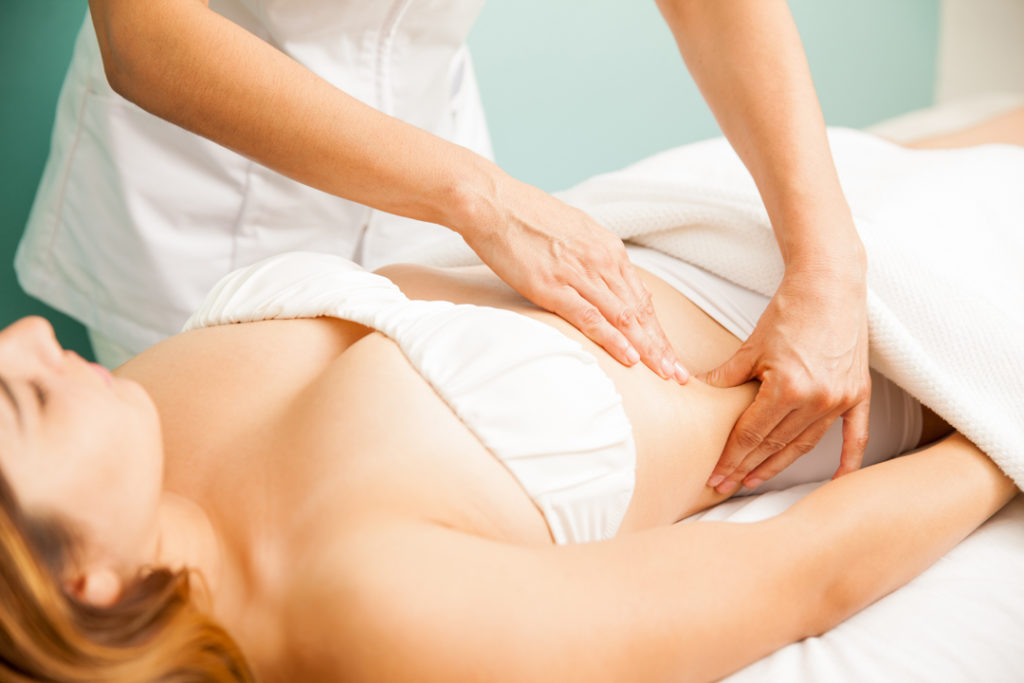
The phrase body contouring covers a wide range of treatments, and that is exactly where many people get tripped up. They hear the term, assume it means one thing, and then compare options that are not really trying to solve the same problem. A surgical tummy tuck is not the same kind of intervention as radiofrequency skin tightening. Liposuction and cryolipolysis may both target stubborn fat, but they differ sharply in recovery, precision, cost, and the kind of result a patient can reasonably expect.
That distinction matters for anyone exploring Body Contouring Farmington Hills options. The best treatment is rarely the newest or the most aggressively marketed. It is the one that matches the patient’s anatomy, tolerance for downtime, budget, and expectations. In practice, the right choice often comes down to a few practical questions: Is the main concern fat, loose skin, muscle separation, cellulite, or a combination? How much change is needed? How quickly does the patient want to see improvement? And just as important, how much risk is acceptable?
Patients often arrive hoping for a simple answer, a single treatment that melts fat, tightens skin, smooths texture, and creates surgical-level definition without downtime. That treatment does not exist. What does exist is a spectrum of effective options, each with strengths and limitations that become clearer once you stop treating body contouring as one category.
What body contouring actually means
At its core, body contouring refers to procedures that reshape or refine areas of the body. Most commonly, people seek treatment for the abdomen, flanks, thighs, upper arms, back, and under the chin. Some are bothered by isolated fat deposits that do not respond to diet and exercise. Others have loose skin after pregnancy or major weight loss. Some have both, which is where confusion starts, because fat reduction and skin tightening are not interchangeable.
If a patient has moderate skin laxity and only a small amount of excess fat, a non-invasive device may improve contour modestly. If that same patient has significant skin redundancy, weakened abdominal wall support, and stretch marks after childbirth, no external device is likely to create a dramatic result. In that situation, surgery may be the more honest recommendation.
This is one of the most important realities in aesthetic medicine: matching the treatment to the tissue problem is more important than matching it to a trend.
The invasive side: when surgery makes the most sense
Invasive body contouring generally refers to procedures such as liposuction, tummy tuck surgery, arm lift, thigh lift, and body lift surgery. These treatments physically remove fat, excise excess skin, or both. They offer the most dramatic and immediate reshaping, but they also carry the highest commitment in terms of recovery, expense, and risk.
Liposuction remains one of the most commonly requested contouring procedures because it is highly effective for localized fat reduction. It is especially useful for areas like the flanks, lower abdomen, inner thighs, and under the chin. A skilled surgeon can sculpt with far more precision than any non-invasive device. That precision matters when a patient wants visible contour changes rather than subtle improvement.
A tummy tuck, by contrast, does much more than remove fat. It addresses excess abdominal skin and can repair separated abdominal muscles, a common issue after pregnancy. This is why someone can be fit, maintain a healthy weight, and still have a lower abdominal bulge or skin laxity that exercise will not fix. In those cases, body contouring through surgery is not about shortcutting fitness. It is about correcting anatomy that lifestyle changes cannot meaningfully reverse.
The trade-off is obvious. Surgery means anesthesia or sedation, time away from normal activities, compression garments, swelling, bruising, follow-up visits, and scar management. Most patients tolerate that well when they have prepared for it properly, but it should never be minimized. A result can be excellent and still require a real recovery period.
Where invasive methods have a clear advantage
Surgical contouring tends to outperform non-invasive options in three situations. The first is when a patient needs a large volume change. The second is when loose skin is a major part of the problem. The third is when someone wants the most noticeable reshaping possible and accepts the recovery involved.
This comes up often after significant weight loss. A person may be healthier than they have ever been, yet still feel frustrated by hanging abdominal skin or lax tissue on the arms and thighs. Non-invasive treatments may improve skin quality slightly, but they do not remove redundant tissue. Surgical excision does.
The same principle applies after pregnancy. A patient may look at an ad for a fat freezing treatment and hope it will flatten a postpartum abdomen. If the real issue is muscle separation, stretched skin, and some residual fat, a non-invasive approach can only address part of that picture. It is not that the treatment failed. It is that it was asked to do a job it was never designed to do.
The non-invasive side: why demand keeps growing
Non-invasive body contouring has expanded quickly because many patients want improvement without surgery, anesthesia, or a long recovery. These treatments include cryolipolysis for fat reduction, radiofrequency devices for skin tightening, ultrasound-based treatments, laser-assisted surface treatments, and electromagnetic muscle stimulation systems.
The appeal is easy to understand. A patient can have treatment during a lunch break, return to work the same day, and avoid the logistics that come with surgery. There are no incisions, no surgical scars, and typically far less discomfort. For the right patient, that is a meaningful benefit.
Non-invasive treatments are best viewed as incremental tools. They are often effective for people who are near a stable weight and want to improve one or two stubborn areas. Someone with a small lower abdominal pooch, mild bra-line fullness, or early skin laxity may be very happy with a non-surgical plan if expectations are realistic.
The problem is that expectations are not always realistic. Marketing language has trained many people to expect transformation from technologies that are designed for refinement. A modest reduction in fat thickness can look good, especially in fitted clothing or swimwear, but it will not resemble the result of a well-performed liposuction case. That is not a flaw in the technology. It is simply the difference between non-invasive and invasive treatment power.
Comparing the most common non-invasive approaches
Different devices work through different mechanisms. Fat freezing uses controlled cooling to damage fat cells, which the body gradually clears over several weeks to months. Radiofrequency heats tissue to encourage collagen remodeling and can provide some tightening. Ultrasound can target deeper tissue layers. Electromagnetic stimulation focuses on muscle contractions and is often marketed for abdominal or gluteal tone rather than fat removal alone.
In practice, one of the most common patient misunderstandings is assuming that all of these are alternatives to each other. They are not always. Some reduce fat. Some tighten skin. Some stimulate muscle. Some do a bit of more than one, but no single method does everything equally well.
Results also tend to be slower. A patient may need several sessions, and the visible change often builds gradually. That gradual improvement can be a plus for patients who prefer a subtle shift rather than a sudden change that invites questions. It can also frustrate people who want immediate payoff after spending time and money on treatment.
A practical side-by-side view
| Feature | Invasive methods | Non-invasive methods | | --- | --- | --- | | Typical result strength | More dramatic, more precise | More subtle to moderate | | Downtime | Days to weeks, depending on procedure | Usually minimal or none | | Best for | Larger fat reduction, loose skin, structural correction | Mild to moderate contour concerns | | Scarring | Present with excisional surgery, minimal with liposuction incisions | No surgical scars | | Speed of visible change | Often faster once swelling improves | Gradual, often over weeks or months |
That table simplifies a complex subject, but it captures the broad difference. Surgery is a stronger tool. Non-invasive treatment is a lighter tool. Neither is inherently better. They are better or worse depending on the problem being treated.
Skin quality changes the entire conversation
One of the least appreciated factors in body contouring is skin elasticity. Two people can have the same amount of excess fat and need completely different recommendations because their skin behaves differently. A younger patient with firm, elastic skin may look excellent after fat reduction alone. Another patient with thinner or more stretched skin may end up looking looser after that same reduction unless skin tightening is added or surgery is chosen.
This is especially relevant in Body Contouring Farmington Hills consultations, where patients often compare themselves to a friend or family member who had a different procedure and a good result. Their anatomy may not be comparable. Age, genetics, sun exposure, prior pregnancies, weight fluctuations, and overall tissue quality all influence what the skin can do after fat volume is reduced.
A good evaluation looks at pinch thickness, skin recoil, stretch marks, scar history, and how tissue sits when standing versus bending or sitting. Those details sound small, but they often determine whether a patient feels thrilled or underwhelmed afterward.
Recovery matters more than many people expect
There is a tendency to focus on before-and-after photos and treat recovery as an afterthought. That is a mistake. The quality of the result matters, but so does whether the patient can realistically manage the process.
For surgery, that means asking practical questions. Can the patient take time off work? Will someone be available to help at home for the first day or two if needed? Is there a major event, vacation, or family obligation coming up? Swelling after liposuction or abdominoplasty can linger longer than people expect, even when the overall recovery is smooth. Compression garments are not glamorous, and sleeping position restrictions can be annoying. Those things do not make surgery a bad choice, but they should be part of the decision.
For non-invasive treatment, recovery is easier, but patience becomes the challenge. A patient may feel almost normal right away and still need weeks before visible improvement appears. Mild tenderness, numbness, temporary swelling, or skin sensitivity can happen depending on the device used. None of that is usually severe, but it can feel disappointing when marketing has framed the experience as effortless.
Cost is not as straightforward as it seems
People often assume non-invasive means cheaper. Sometimes it does. Sometimes it does not. A single non-surgical session may cost far less than surgery, but many technologies work best as a series. When multiple areas are treated over multiple sessions, the total can climb quickly.
Surgery has a higher upfront price, but it may achieve in one procedure what would require repeated non-invasive sessions, or what non-invasive treatment still could not fully accomplish. That does not automatically make surgery a better value. It depends on the patient’s goal. If someone only wants a 15 to 20 percent improvement in a small area and does not want downtime, non-invasive treatment may be an excellent value for that person. If someone wants a dramatic waistline change and is paying repeatedly for subtle sessions, surgery may end up being more cost-effective.
The key is honest comparison. Patients should compare likely outcomes, not just price tags.
Who tends to do well with non-invasive contouring
The happiest non-invasive patients usually share a few traits. They are close to their target weight, their concern is localized rather than generalized, their skin has at least decent elasticity, and they understand that contouring is not the same as weight loss. They also tend to tolerate gradual change well.
A patient in this category might be a 42-year-old who exercises regularly, maintains a stable weight, and wants improvement in lower abdominal fullness that has lingered despite a disciplined routine. Another might be a man bothered by flank fat that shows through dress shirts, even though his BMI is otherwise reasonable. These are common, practical concerns, and non-invasive treatment can be a very reasonable fit.
Who usually benefits more from invasive treatment
Patients who need skin removal, structural correction, or major reshaping tend to benefit more from invasive options. That includes many post-pregnancy and post-weight-loss cases, as well as patients who have tried non-invasive methods before and felt the change was too modest.
A common example is the patient with an apron of lower abdominal skin after losing 80 pounds. They may be told a skin tightening device can help, and technically that may be true in a limited sense. But if the problem is substantial redundant tissue, the degree of tightening possible without surgery is unlikely to match the patient’s hopes. When that gap between hope and likely outcome is large, clarity is kinder than optimism.
Questions worth asking at a consultation
A strong consultation should leave a patient better informed, not simply sold on a device or procedure. The best providers explain not just what can be done, but what probably should be done based on the anatomy in front of them.
Here are a few questions that tend to clarify the decision quickly:
- What is the main issue in this area, fat, loose skin, muscle separation, or cellulite?
- What level of improvement is realistic for me, subtle, moderate, or dramatic?
- How many sessions or procedures are usually needed for this kind of result?
- What does recovery look like in practical terms over the first few days and weeks?
- If I choose the less invasive option first, what are the limits I should understand?
Those questions often reveal whether the treatment recommendation is grounded in judgment or driven by inventory.
The importance of combining treatments carefully
Body contouring is not always a one-treatment decision. In many cases, combination planning creates the best outcome. A patient may have liposuction and later pursue skin tightening for refinement. Another may start with non-invasive fat reduction and then add muscle stimulation. A third may need surgery for the abdomen but choose non-invasive treatment for smaller secondary areas like the upper arms or under the https://www.behance.net/ardwaterproof chin.
The caution here is over-treatment. More treatment does not automatically mean better contour. Tissues need time to settle, and every added intervention should have a clear purpose. Experienced clinicians know when to stop as much as they know when to proceed.
What people in Farmington Hills should keep in mind locally
For patients considering Body Contouring Farmington Hills providers, convenience should not be the first filter. Experience with body assessment matters. So does the ability to discuss both invasive and non-invasive options fairly, or at least to refer appropriately when one category is more suitable than the other. A practice that only offers one approach may still provide excellent care, but patients should recognize that a limited menu can shape recommendations.
Look for a consultation process that includes hands-on examination, discussion of skin quality, a review of past weight changes, and a frank conversation about expectations. Before-and-after photos can be useful if they reflect patients with body types similar to yours. Glossy marketing language is less useful than a clear explanation of why a treatment matches your anatomy.
The real decision is not surgery versus no surgery
The real decision is whether the proposed treatment matches the outcome you want strongly enough to justify its trade-offs. Some people are excellent surgical candidates and still prefer non-invasive care because they value minimal disruption more than maximal change. Others know they do not want to spend months chasing modest improvement and would rather recover once from a procedure that addresses the problem directly.
Both approaches can be sensible. Problems arise when patients choose based on fear, assumptions, or advertising instead of anatomy and goals.
Body contouring works best when it is treated as individualized planning, not a menu item. The abdomen that changed after two pregnancies, the flanks that resist every workout, the loose skin after major weight loss, these are not abstract categories. They are different tissue problems that need different tools. When the choice between invasive and non-invasive methods is made with that level of clarity, patients are far more likely to feel satisfied, whether their path involves a treatment room, an operating room, or sometimes a thoughtful combination of both.
Aesthetic Plastic Surgery & Laser Center, Michelle Hardaway M.D.
Address: 27920 Orchard Lake Rd, Farmington Hills, MI 48334
Phone number: +12482211957
FAQ About Body Contouring Farmington Hills
What does body contouring actually do?
Body contouring (or body sculpting) eliminates stubborn localized fat, tightens loose, sagging skin, and reshapes your silhouette. It is not a weight-loss tool, but rather a cosmetic procedure used to refine and tone specific trouble spots after major weight loss, pregnancy, or aging.
How much does body contouring usually cost?
The total cost of body contouring usually ranges from $2,000 to $25,000+ depending entirely on whether you choose non-surgical sessions or major surgical procedures.
Because "body contouring" covers everything from simple fat-freezing to comprehensive post-weight-loss surgeries, pricing is heavily categorized by the method used.
What is the best type of body contouring?
Liposuction is a huge topic and worth discussing in more detail, but in terms of body contouring and sculpting, nothing does the job better than liposuction, particularly VASER liposuction.